It is the middle of October, and the last of the 2026 fruit is coming in this week (October 12th). Fermentations are still going in the cellar and I love that smell, and the year is still close enough to touch. It seems the right moment to put it on paper.
A warm winter and an early start
The 2026 vintage followed a warm winter in Napa Valley with plenty of rain, and bud break came at the end of February. It was not the earliest I have seen. Still, every year reminds me how much of growing wine belongs to Mother Nature, and how many personalities she brings to it.
Rain at bloom
An unseasonably warm, at times hot, March moved the vines forward quickly, and by April they were in bloom. Then came more than April showers: cloudy skies and rain throughout the month, at exactly the moment the vines needed calm, dry air to pollinate.
The rain upset pollination and cut our crop anywhere from 10 to 70 percent. Growers call this poor fruit set, or shatter: flowers that never become berries or shot berries. We were not alone. Growers across Napa Valley and most of California received the same weather pattern during bloom, and the same smaller crop.
The season did find its rhythm
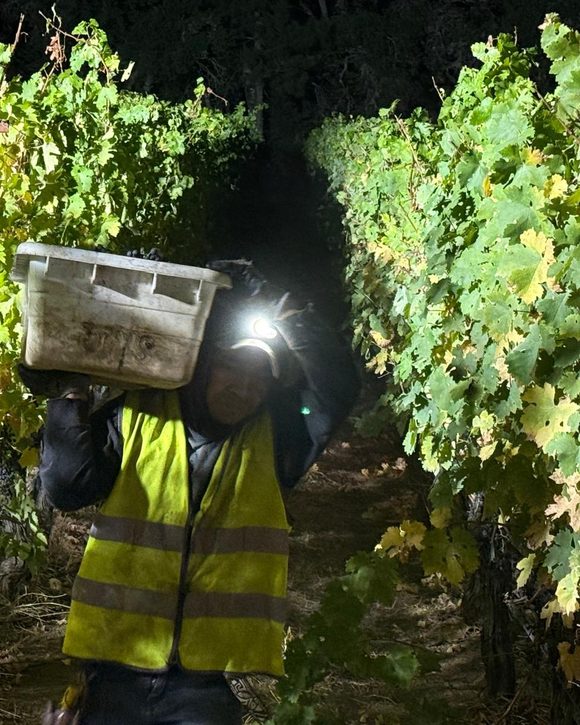
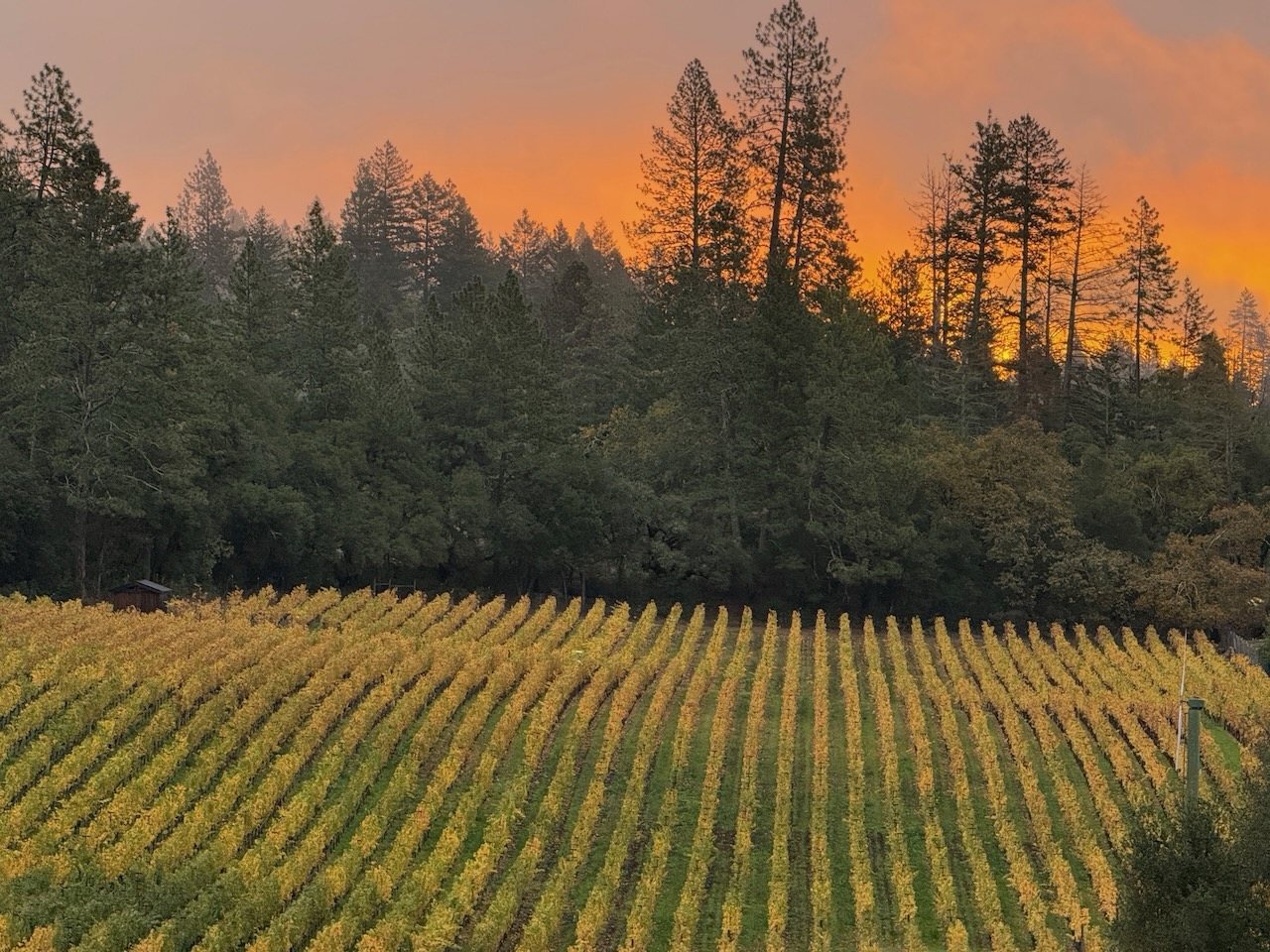
From mid-May the vintage settled into its typical rhythm: morning fog, then warm to hot days. That pattern is the gift of Napa Valley’s Mediterranean climate, and on both our estates, on Howell Mountain and in Rutherford, the vines carried what they had set through the summer.
A long harvest
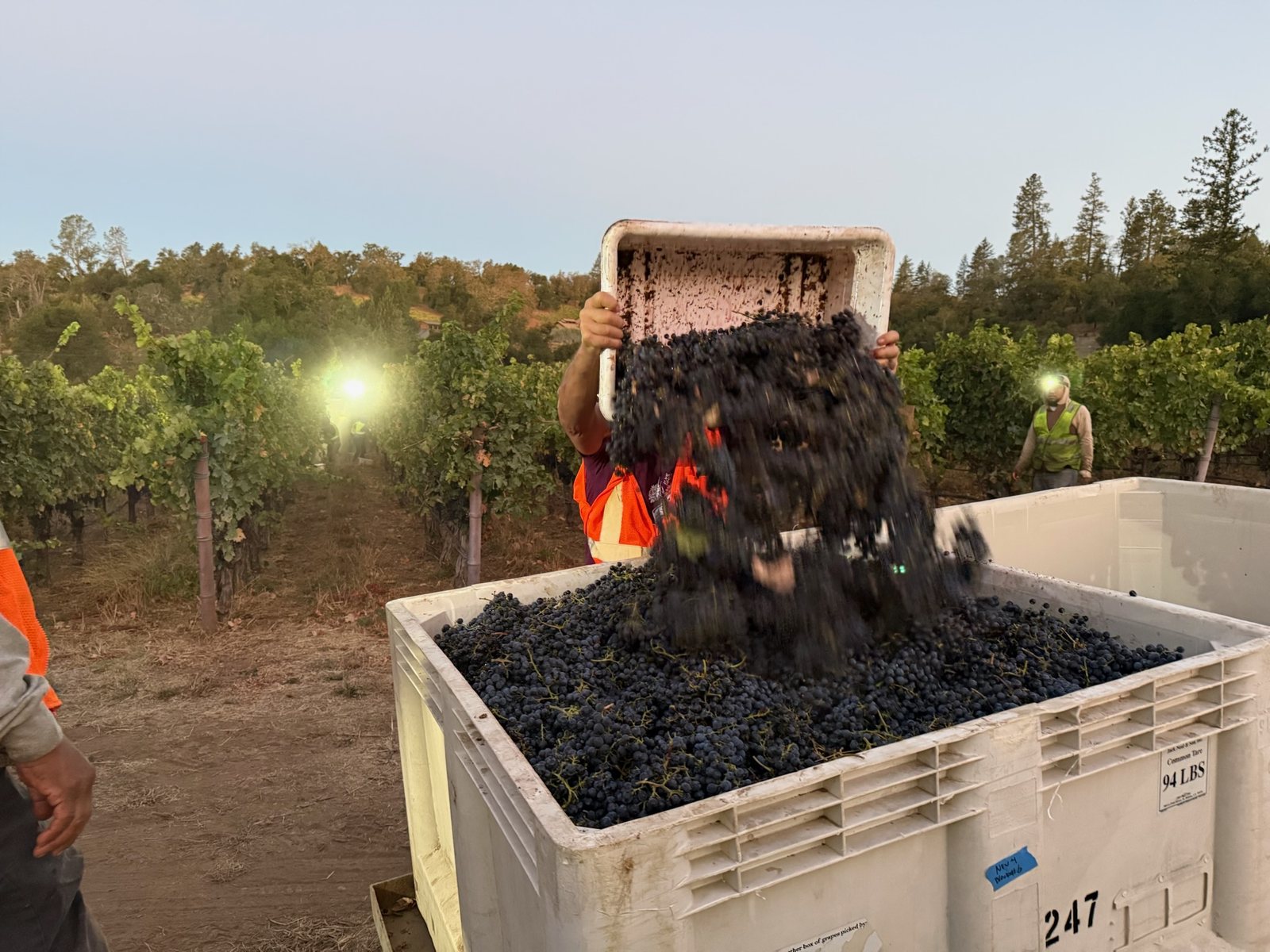
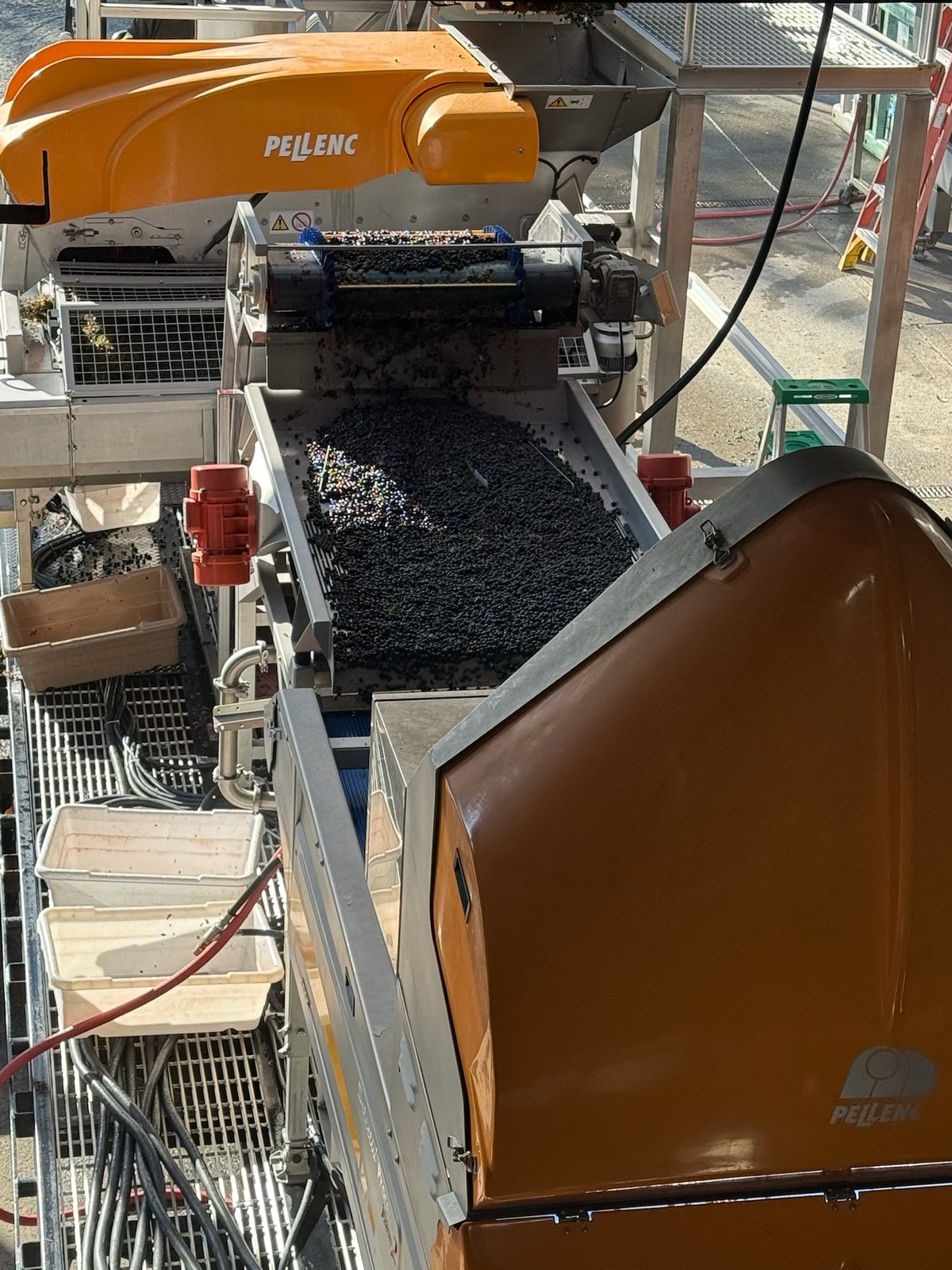
We started picking the earlier varieties at the end of July, as the valley’s crush began weeks ahead of normal. We have kept going ever since, and expect to bring in the last of the fruit this week. Definitely lighter than normal.
In tank, barrel and cave
Fermentations are still going, and of course some has already gone down to barrel. There is less wine than I would like. What there is has us far more enthusiastic about its quality than troubled by the quantity Mother Nature kept for herself.
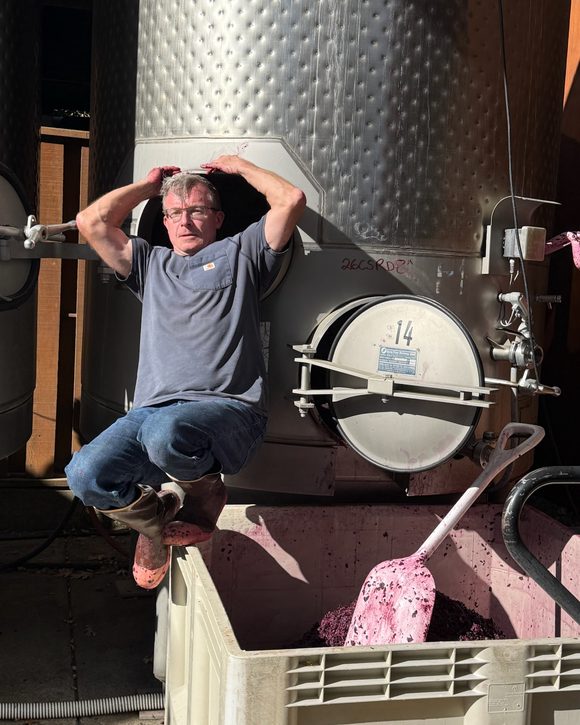
Over the next 12 to 18 months I will watch the 2026 wines evolve in my caves. I expect to be talking about them for a long time after. The anticipation is always energetic no matter how many seasons of farming and winemaking I have done.
Harvest 2026 at a glance
- Winter: warm, with plenty of rain
- Bud break: end of February 2026
- March: unseasonably warm to hot
- Bloom and pollination: April, under cloud and rain throughout the month
- Crop: down 10 to 70 percent from poor fruit set
- Summer: typical morning fog, warm to hot days from mid-May
- Harvest: end of July to mid-October 2026
- Estates: Howell Mountain and Rutherford Dust Vineyards, Napa Valley
- Certifications: CCOF Certified Organic, Regenerative Organic Certified®, Demeter Certified Biodynamic®
Field Notes Reflection
This year truly tested my decades of farming. After a lifetime on this ground, and certified organic since 1984, I believe 2026 was a test of everything those years have taught me. A season with this many variables leaves little room for guesswork. I am proud of what came through it. Now, let’s make some amazing wine!
Mark Neal
Founder, Farmer & Maker
Explore our current releases of estate-grown, certified organic Napa Valley wines from Howell Mountain and Rutherford Dust, or visit us on Howell Mountain.
Common questions about the 2026 Napa Valley harvest
When did the 2026 harvest start in Napa Valley?
At the end of July. Neal Family Vineyards began picking its earlier varieties in the last week of July 2026, and across Napa Valley the crush started weeks ahead of normal. Neal’s harvest ran through mid-October.
Why was the 2026 Napa Valley crop smaller?
Rain at bloom. Cloudy skies and rain throughout April 2026 fell while the vines were flowering and upset pollination, so fewer flowers became berries. Growers call this poor fruit set, or shatter. At Neal Family Vineyards it cut the crop by anywhere from 10 to 70 percent.
How is the quality of the 2026 Napa Valley vintage?
Promising. Mark Neal describes the quality of the 2026 fruit as outweighing what the vintage lost in quantity. The wines will spend the next 12 to 18 months evolving in barrel in the Neal caves before their character is fully known.
Where are Neal Family Vineyards’ vineyards?
In two places in Napa Valley: the Howell Mountain estates are in Angwin, above the fog line, and the Rutherford Dust estates on the valley floor. Every Neal Vineyards wine is 100 percent estate grown and 100% by variety on these four properties, and all are CCOF certified organic, Regenerative Organic Certified® and Demeter Certified Biodynamic®.